Introduction
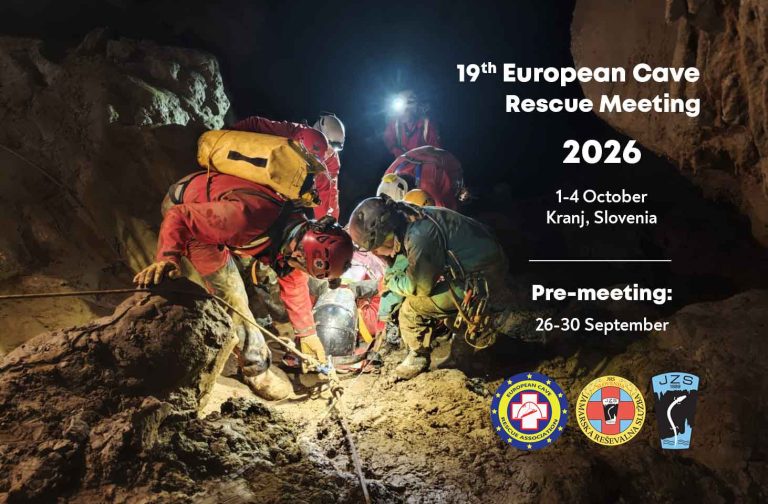
The 19th European Cave Rescue Meeting will take place in Kranj, Slovenia, from 1 to 4 of October 2026.
ECRA pre-meeting: 26-30 of September 2026.
This meeting is organised by Jamarska reševalna služba (JRS) on behalf of the European Cave Rescue Association (ECRA).
During the pre-meeting you can enjoy caving, cave diving and visits to tourist destinations. We are preparing several interesting locations.
More information will be available soon. Please also visit our website www.caverescue.eu for last minute changes or send us an email on info@caverescue.eu in case of any question.
Please mark the date of the ECRA meeting in your calendar!
We are looking forward to meeting you in Slovenia!
Organizing Committee
Photos from Kranj


Table of Contents
Timetable
Under preparation.
PROGRAM
Technical workshop
The program is being worked on.
You are welcome to send your proposals on presentations/practices/workshops to the commission chair (check Contacts).
Medical workshop
The program is being worked on.
You are welcome to send your proposals on presentations/practices/workshops to the commission chair (check Contacts).
Cave diving exercise
The program is being worked on.
You are welcome to send your proposals on presentations/practices/workshops to the commission chair (check Contacts).
Passage enlargement workshop
The program is being worked on.
You are welcome to send your proposals on presentations/practices/workshops to the commission chair (check Contacts).
General Assembly
LOCATION
Kranj (Latin: Carnium, German: Krainburg) is the capital of the Gorenjska region in the Republic of Slovenia, the seat of the Kranj city municipality and administrative units and Gorenjska statistical region. It represents the economic, commercial, transport, educational and cultural centre of Gorenjska. With 38,000 inhabitants (2025), it is, together with Celje, the third to fourth largest Slovenian city. In the narrower urban area, which includes the surrounding areas (Britof, Kokrica, Mlaka, Predoslje, Orehovlje, Hrastje, Breg ob Savi, Jama, Praše, Mavčiče, Zgornje, Srednje and Spodnje Bitnje), Kranj has around 10,000 more inhabitants, while the wider conurbation, together with some neighbouring municipalities (Naklo, Šenčur, Preddvor, also Škofja Loka, etc.), has a total of between 80 and 100 thousand people.
The city also has a rich speleological laboratory tradition. We can boast of the first cave laboratory.
Exercise area
Kamnitnik climbing area, Škofja Loka
Lake Bled, Bled
Izobraževalni center za zaščito in reševanje Ig
Hotavlje
Location (to be confirmed)
Climate in Slovenia
Slovenia has a temperate climate with cold winters and warm summers. Kranj, located in Gorenjska, has slightly harsher conditions due to its mountainous terrain. Winters can be snowy and cold, while summers are mild with occasional rainfall. October in Kranj is generally cool and pleasant, with temperatures gradually dropping, and there is a higher chance of rain. The area is known for its fresh air and picturesque scenery, making it ideal for outdoor activities all year round.
REGISTRATION FEE
The registration fee is 80 EUR and is payable upon registration.
The registration fee includes accommodation, breakfast, lunch and dinner during the ECRA meeting.
Drinks are at your own expense.
ONLINE REGISTRATION
Not yet available.
OFFICIAL LANGUAGE
The official language of the European Cave Rescue Meeting and Pre-Meeting is English.
Simultaneous translation into other languages will not be available.
PRESENTATIONS
All presentations and documents must be written in English.
The email address for submitting presentations is info@caverescue.eu
To ensure the smooth running of the meeting, we kindly ask you to send us your presentations at least one week before the meeting.
We strongly encourage you to submit your presentations!
EXERCISE
Participants are strongly encouraged to bring their own personal caving equipment (training will be outside of the cave) as the joint training sessions are scheduled during the main meeting. If you have any problems bringing your own equipment, you can rent it on site (provided you indicate this need in advance in the registration form).
The equipment required for the excursions will be listed in the pre-meeting section.
VISA
No visa is required for citizens of European countries. Visitors from other countries should contact their Ministry of Foreign Affairs.
INVITATION LETTER
If necessary, participants can request an invitation letter by email to: helpdesk@caverescue.eu.
SAFETY WARNINGS
No specific warnings for Slovenia. Public safety in Slovenia is very high.
CURRENCY
Euro (EUR)
ARRIVAL AND DEPARTURE
All arrival options are possible – own car, bus, train, plane.
You can travel directly to Kranj by bus and train.
By plane
- Ljubljana Airport, LJU (Slovenia), 16 km away from Kranj
- Zagreb Airport, ZAG (Croatia), 185 km away from Kranj
- Trieste Airport, TRS (Italy), 150 km away from Kranj
- Valencia Airport, VCE (Italy), 258 km away from Kranj
- Klagenfurt Airport, KLU (Austria), 60 km away from Kranj
- Graz Airport, GRZ (Austria), 218 km away from Kranj
By Bus
Buses operate throughout the whole country.
By Train
Location of train station in Kranj
Pick-up
We will provide transportation to the meeting location from:
- Kranj bus and train station
- Airport – Jože Pučnik Ljubljana Airport – Ljubljana Airport (LJU)
ACCOMMODATION
Provided by the organizers for the pre-ECRA and main meeting: (included in the registration fee)
Accommodation in heated tents with temporary beds (only sleeping bags are required).
MEALS AND DRINKS
The organizers provide ONLY for the main meeting (not available during the pre-ECRA!): (included in the registration fee)
The “Speleo Bar” will be available in the afternoon and evening.
PRE-MEETING
Saturday – Thursday, September 26-30, 2026
The Gorenjska region is known for its beautiful nature, rivers, lakes, caves, mountains, forests.
During the pre-ECRA meeting, we would like to introduce the participants to the greatest attractions of Gorenjska and of other parts of Slovenia.
The program is being prepared.
Excursions can only be booked by conference participants.
EXCURSION 1: Tular Cave Lab and SOS Proteus Information Centre
The Tular Cave Lab, established in 1960 by biologist and caver Marko Aljančič in Kranj, is one of only two such underground research facilities in the world. The lab focuses on proteus ecology and behaviour, using innovative methods like environmental DNA tracing and AI remote sensing to aid conservation efforts to keep proteus and cave ecosystems pristine. Additionally, Tular functions as a rehabilitation center for proteus washed-out of caves during the floods. Since 1976, all activities have been driven by the voluntary work and dedication of the researchers (further readings: https://www.biographic.com/saving-slovenias-human-fish/). Public education about the vulnerability of proteus and its cave habitat is promoted at the SOS Proteus Information Centre, in partnership with the City of Kranj. Every visitor becomes a direct supporter of proteus, as the entry fee is for the first time in the world invested in researching and protecting this endangered cave amphibian.
Visit the SOS Proteus Information Centre to learn more about the endangered cave amphibian.
EXCURSION 2: The Triglav northern wall
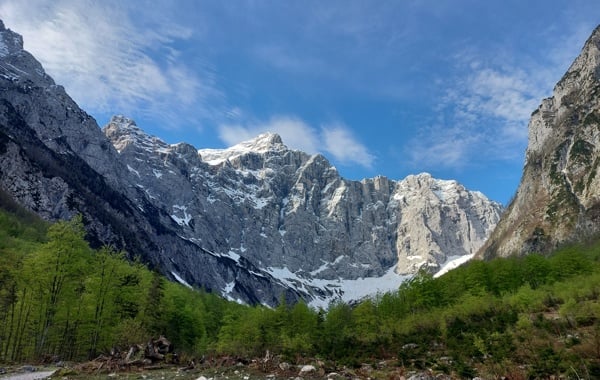
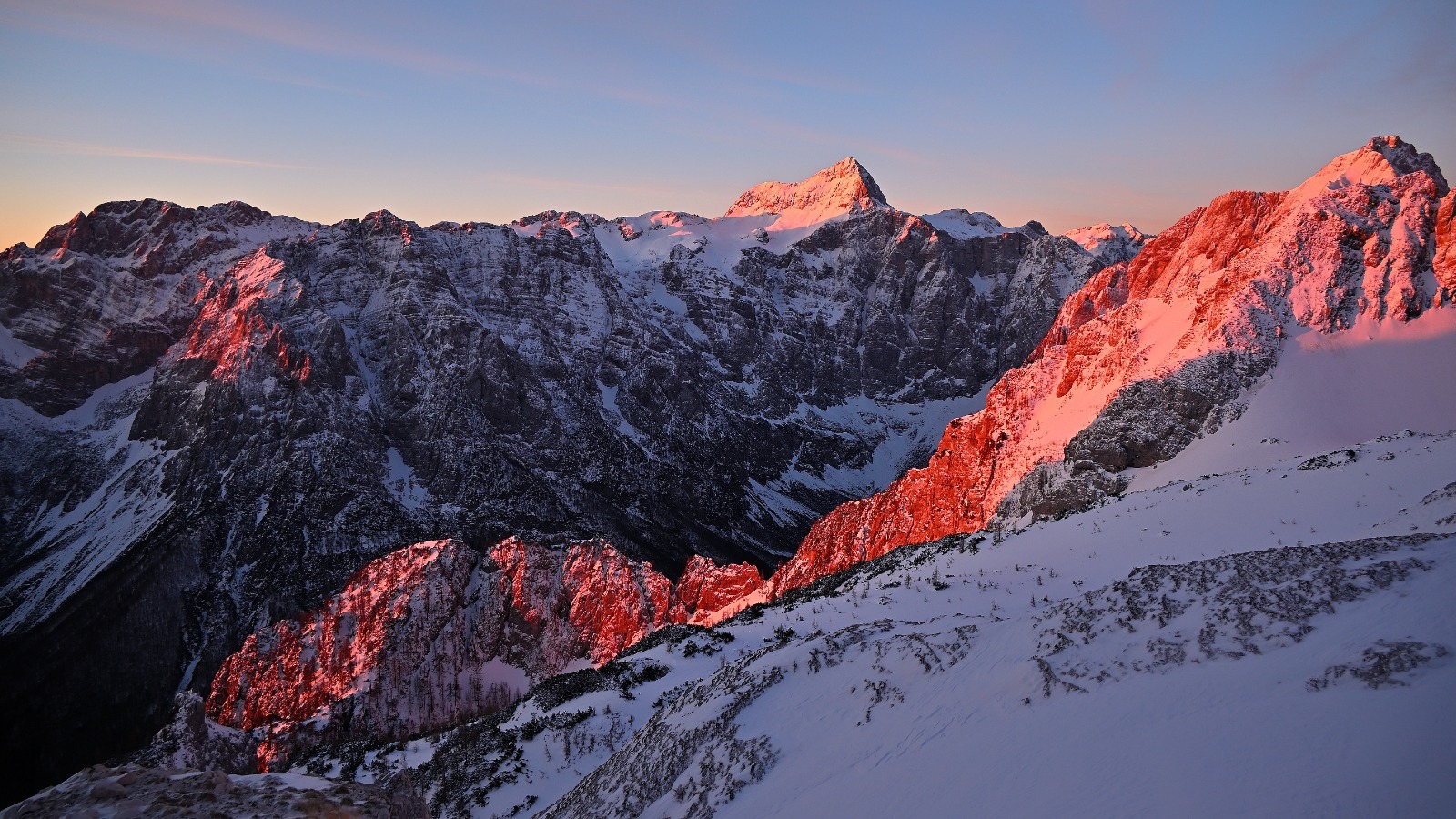
The Triglav northern wall is one of the mightiest walls in the Julian Alps. Being 3,000 m wide and 1,000 m high with around 100 Alpinistic routes it is one of the most popular and visited walls in the Julian Alps.
Mountaineers especially praise the routes over the Čop pillar, Sphinx and Goldhorn’s shelves. Free-climbers can try out the crest called “Raz Mojstranških veveric“.
All of you who are at least a little fit can visit the 1,758-metre-high Luknja (Hole) on the western side of the Triglav northern wall. You will feel the energy of an ancient passage between the valleys of the Sava and Soča Rivers.
EXCURSION 3: The Julian Alps
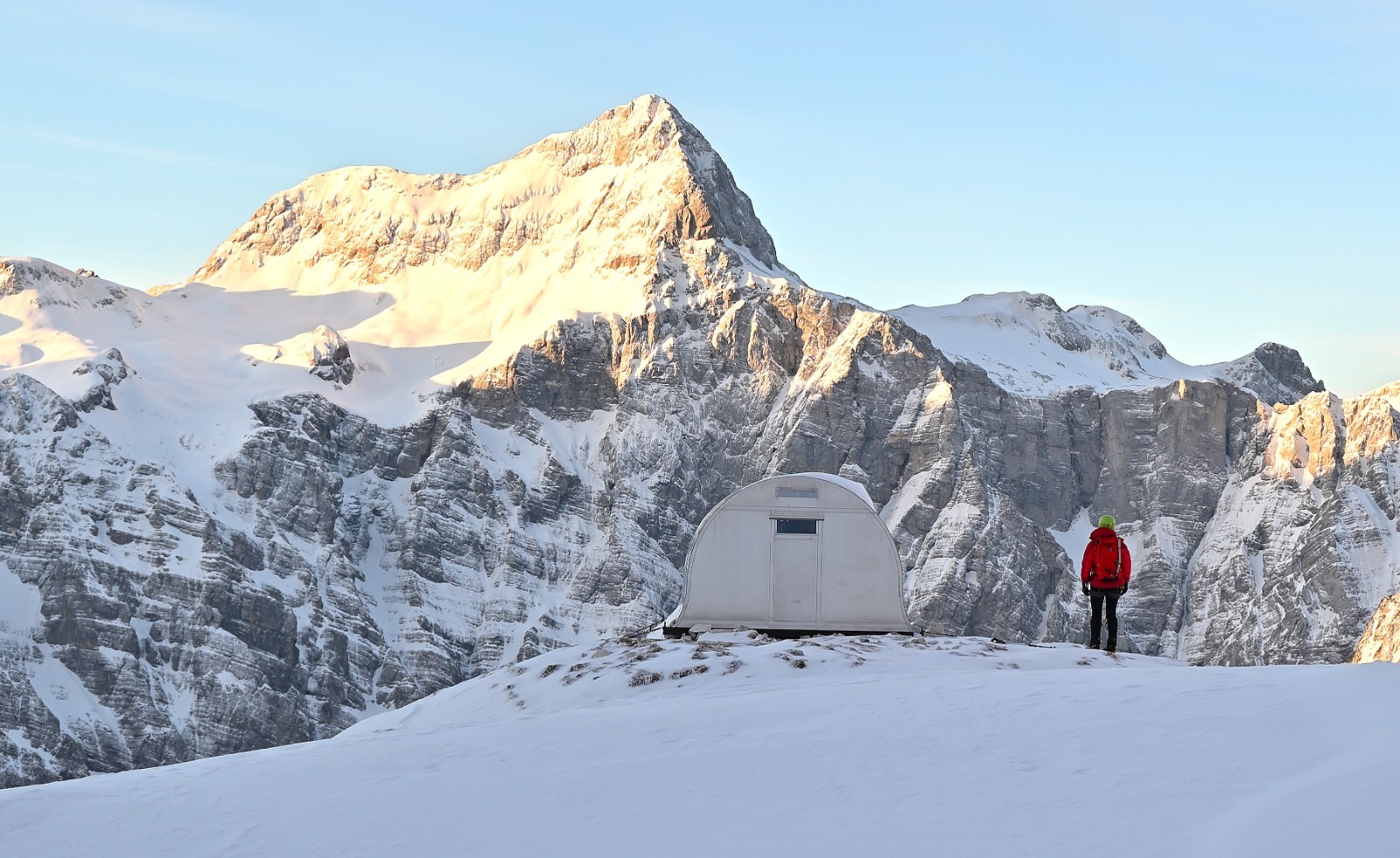
From picturesque valleys to breathtaking mountain tops. Hiking paradise. The Julian Alps offer an infinite range of hiking opportunities.
From paths leading to natural sights of interest and gentle strolls in the valleys to wanders in the Alpine foothills and demanding ascents into the high mountains.
Walks of two to four hours separate the many Alpine huts and refuges dotted across the region. Good-quality maps cover the entire area.
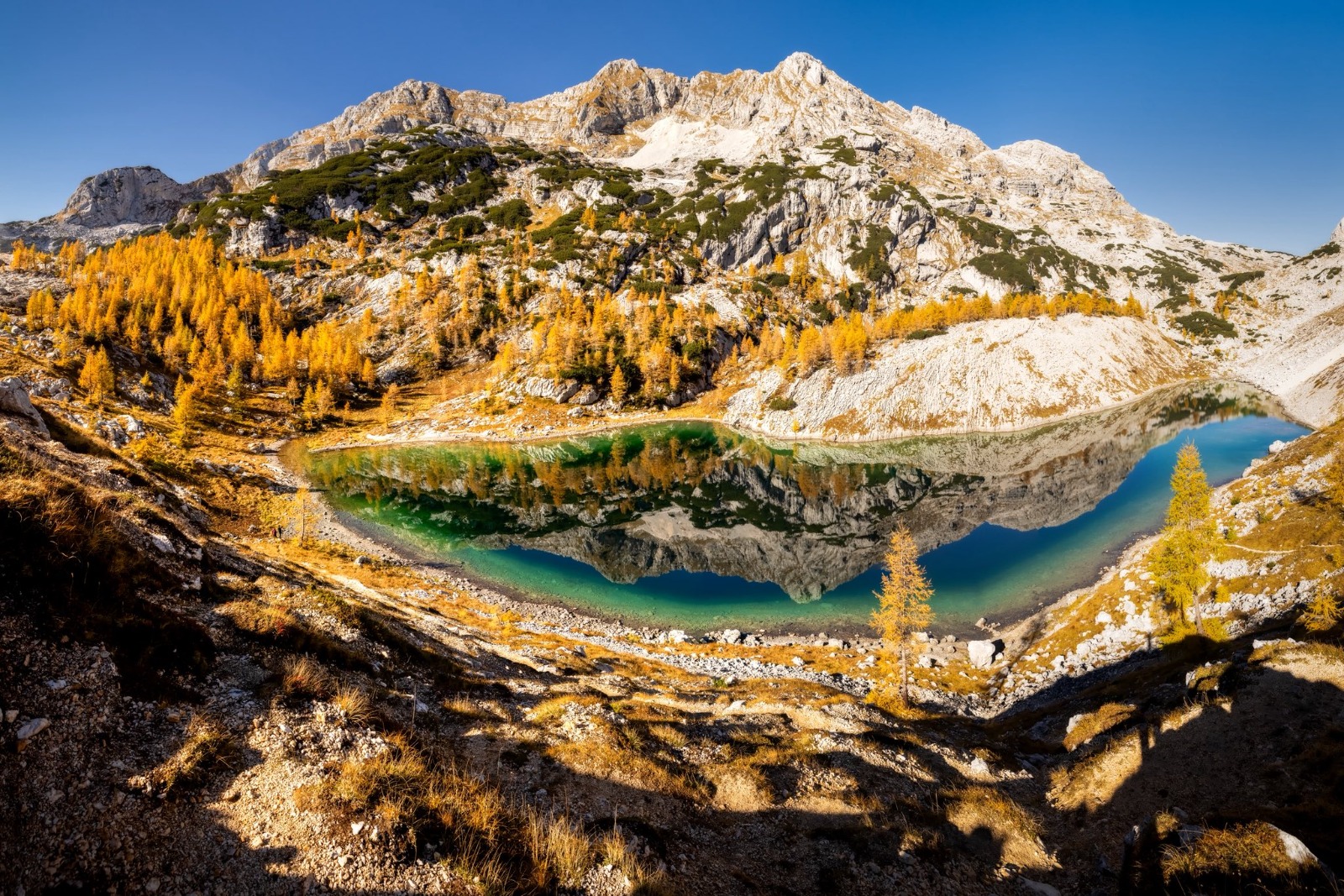
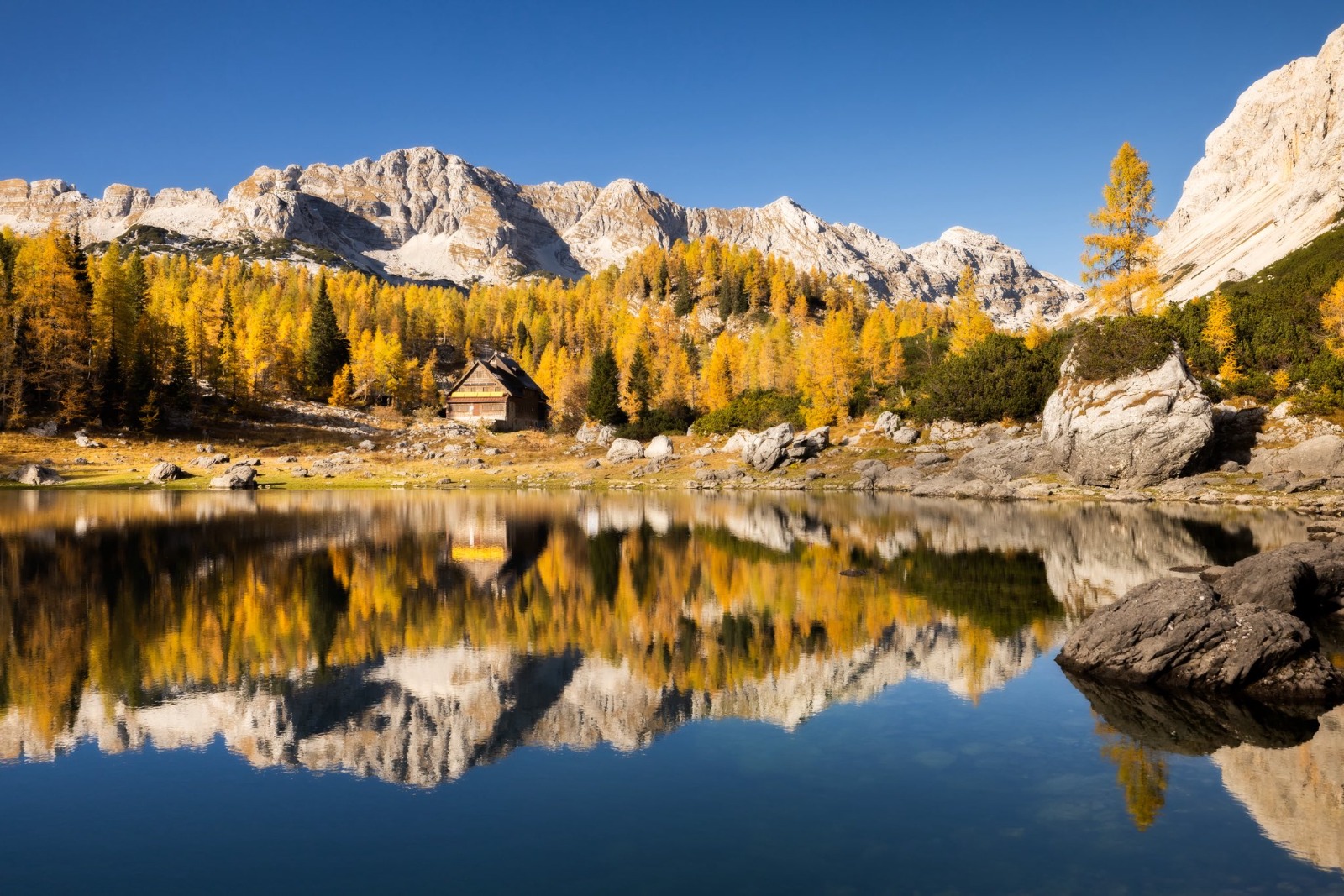
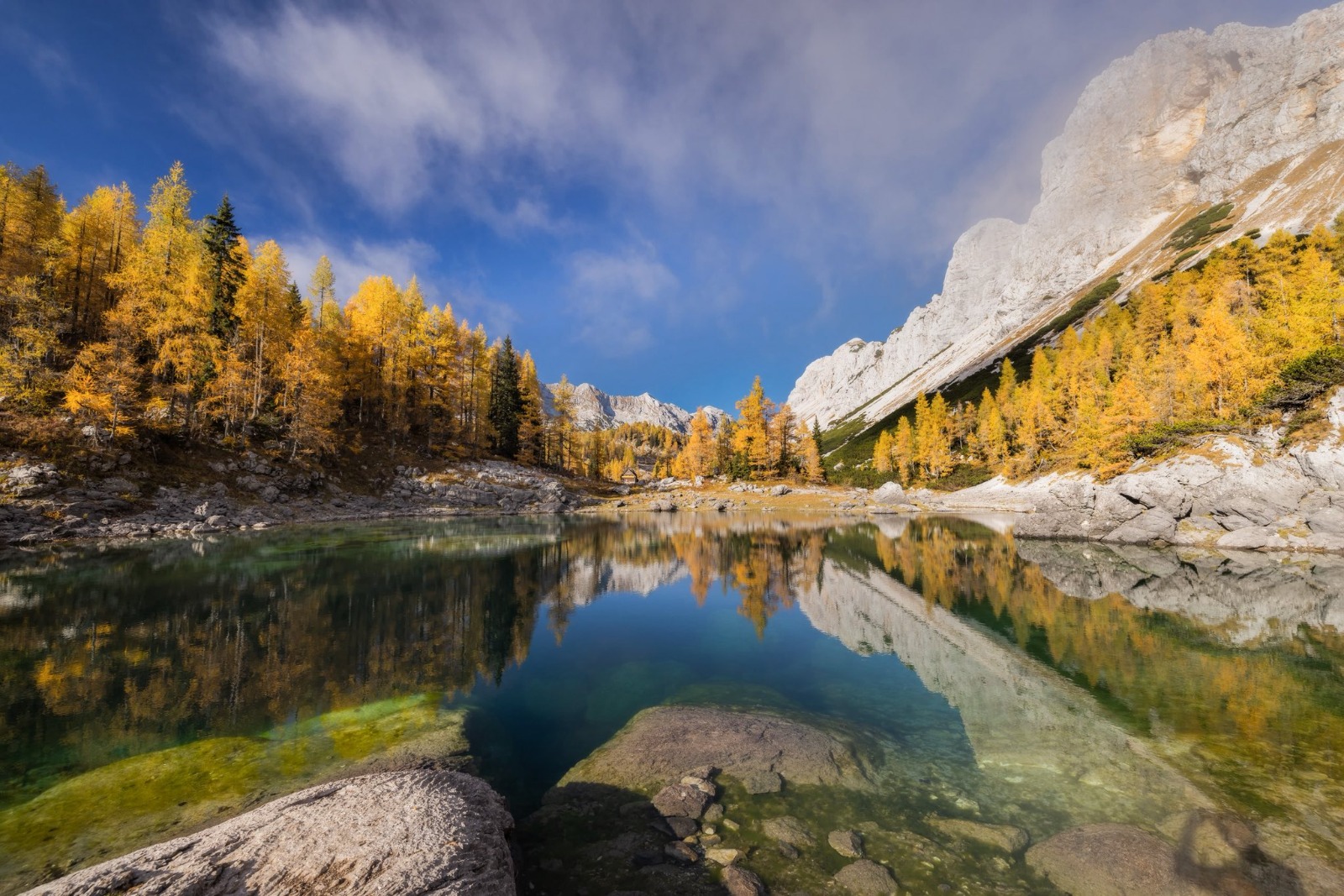
Photos: dr. Uroš Kunaver
EXCURSION 4: Škocjan Caves
Škocjan Caves is an underground phenomenon in the Karst region and Slovenia. It was designated as Ramsar wetlands of international importance on May 18, 1999. Along with the underground stream of the Reka River, it forms one of the longest karst underground wetlands in Europe.
The explored length of the caves is 6,200 meters. The caves have formed in a 300-meter-thick layer of Cretaceous and Paleocene limestone.
The Big Collapse Doline and Little Collapse Doline in Škocjan are where the cave entrances are located, situated at the bottom of the two collapse dolines.
At the Big Collapse Doline (Slovene: Velika Dolina), the Reka River disappears underground into Škocjan Caves and then flows underground for 34 kilometers, resurfacing near Monfalcone. There, it contributes approximately one-third of the flow of the Timavo River, which travels 2 kilometers from the Timavo Springs to the Adriatic Sea.
Škocjan Caves, Unesco World Heritage Site. Photos by: Borut Lozej, Škocjan Caves Park Archive


EXCURSION 5: Local caves, technical and non-technical
It will be agreed with local clubs that they will be taking small groups into local caves. The area has both karst and conglomerate caves. Some of them are also suited for non-cavers or families with smaller kids.
EXCURSION 6: Cave diving
There will also be a list of sumps in the local area that cave divers can dive on either on their own or accompanied by a local diver.
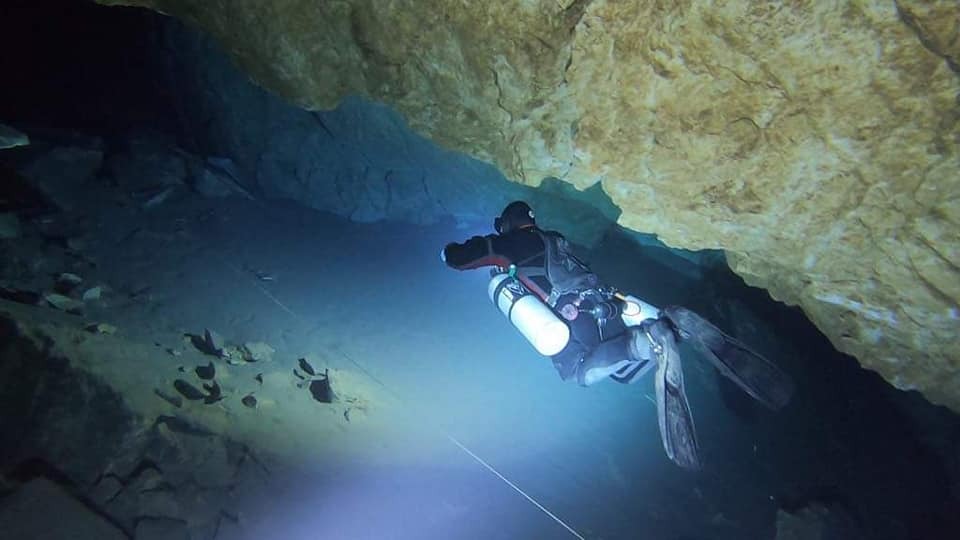
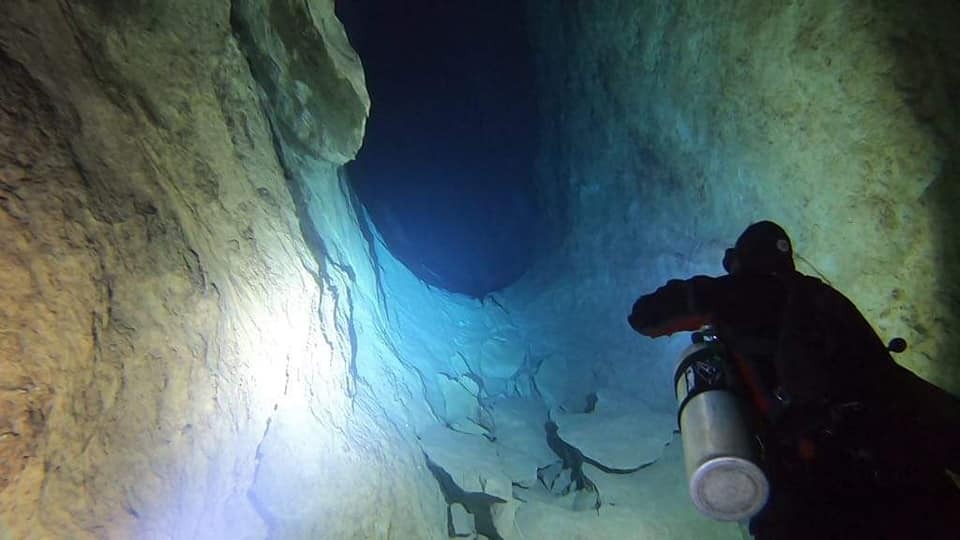
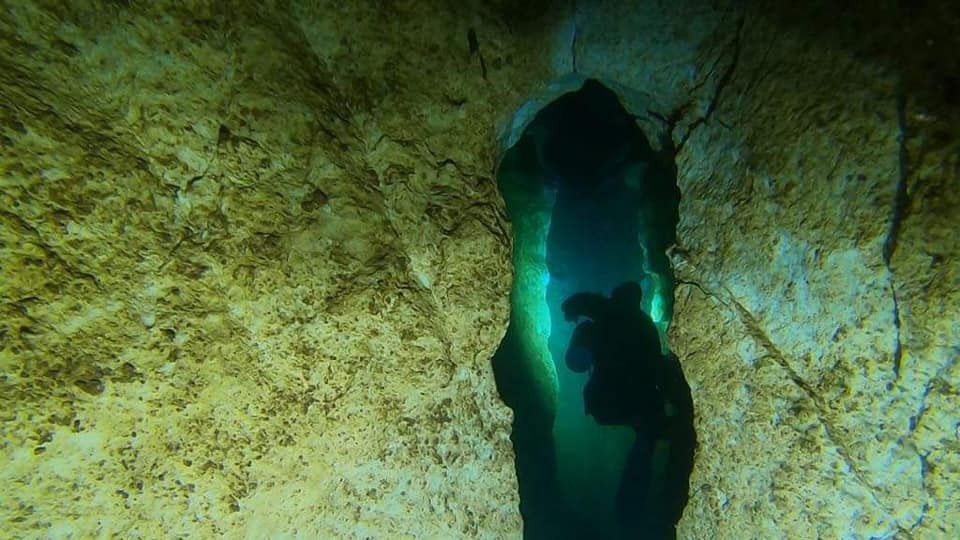
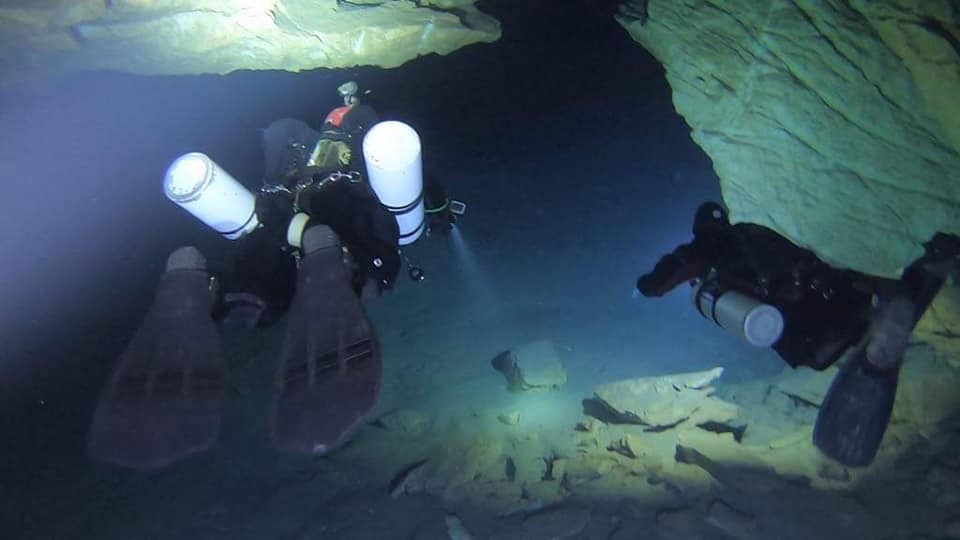
Photos: Robert Anžič
EXCURSION 7: Canyoning
The region of Gorenjska and its neighbouring region, Primorska, are well known for their great canyons. If there is interest, local guides will organise a day trip to some great canyons.
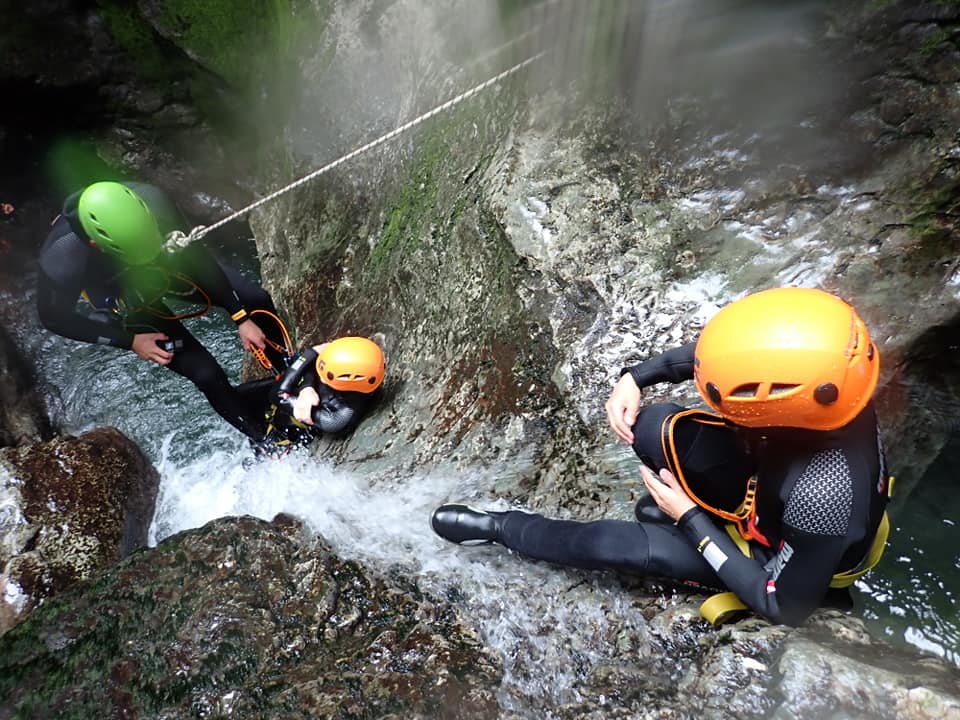
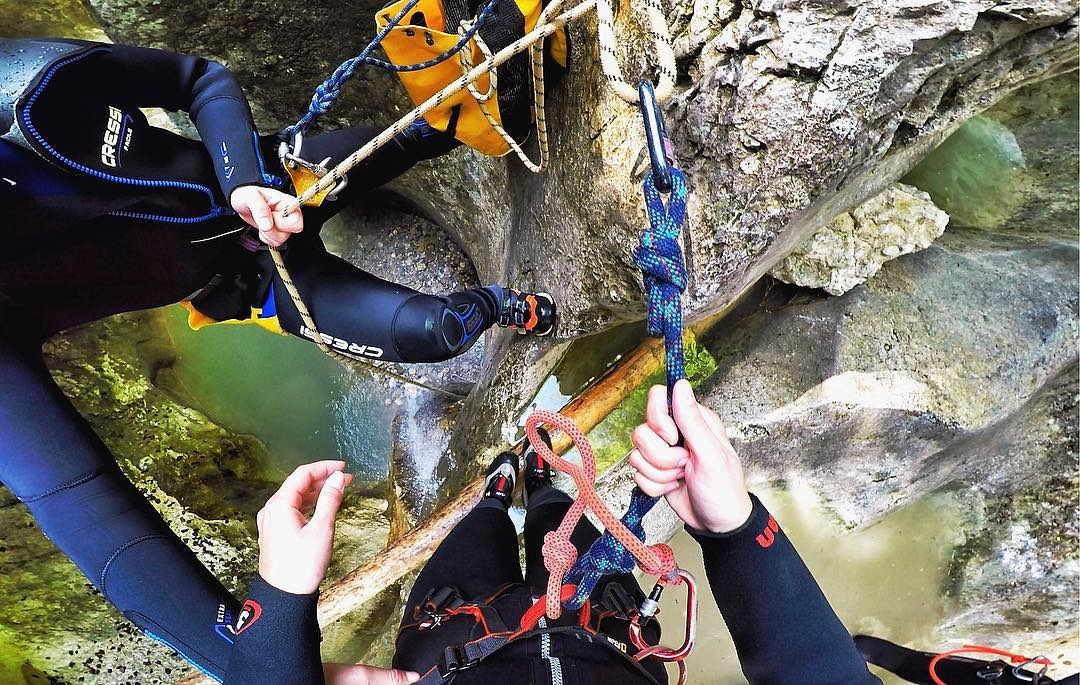
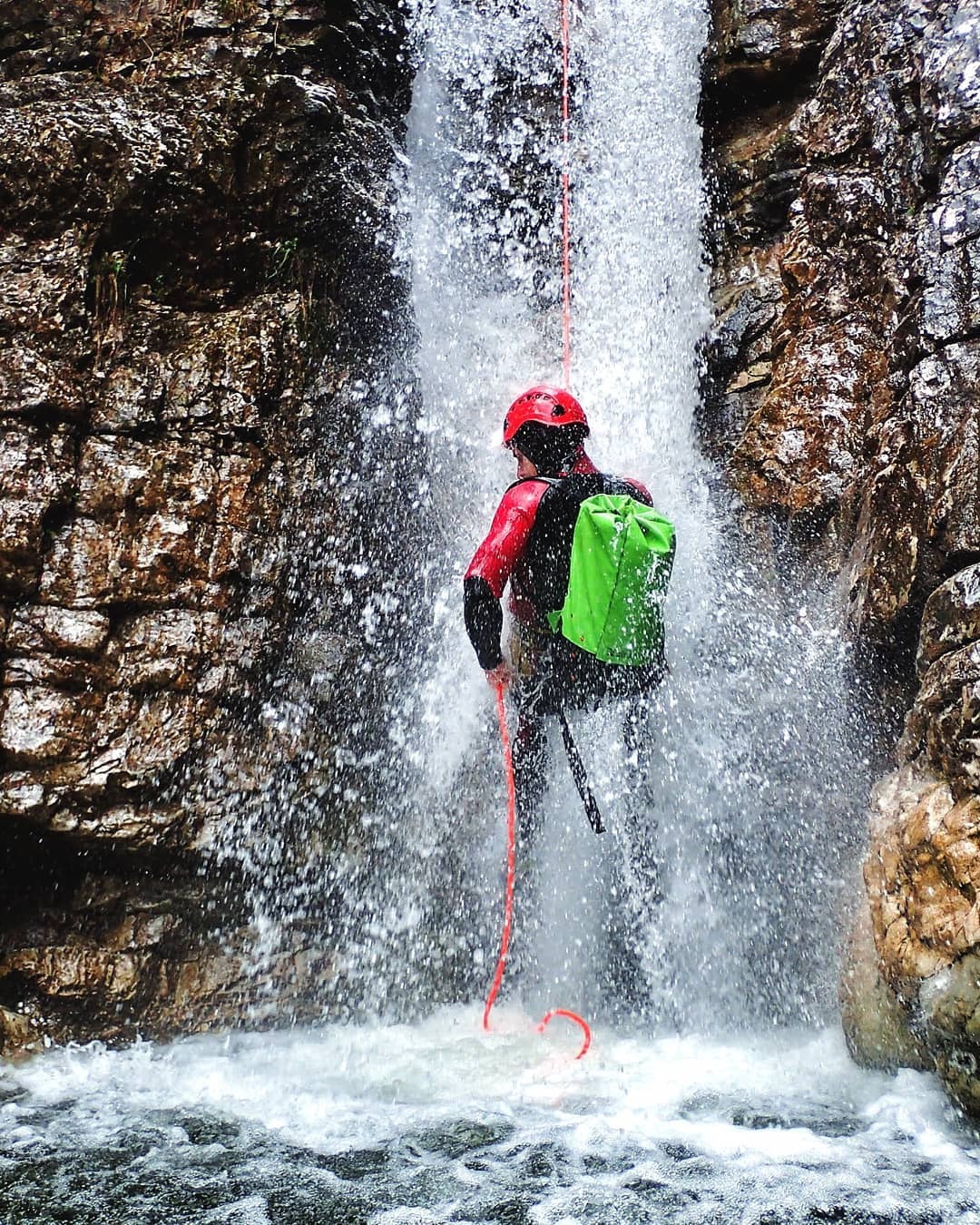
Photos: Gašper Finžgar
EXCURSION 8: Rafting (whitewater)
As with canyoning, once the stream reaches the valley, those small streams become amazing Slovenian rivers for whitewater rafting with a local guide.
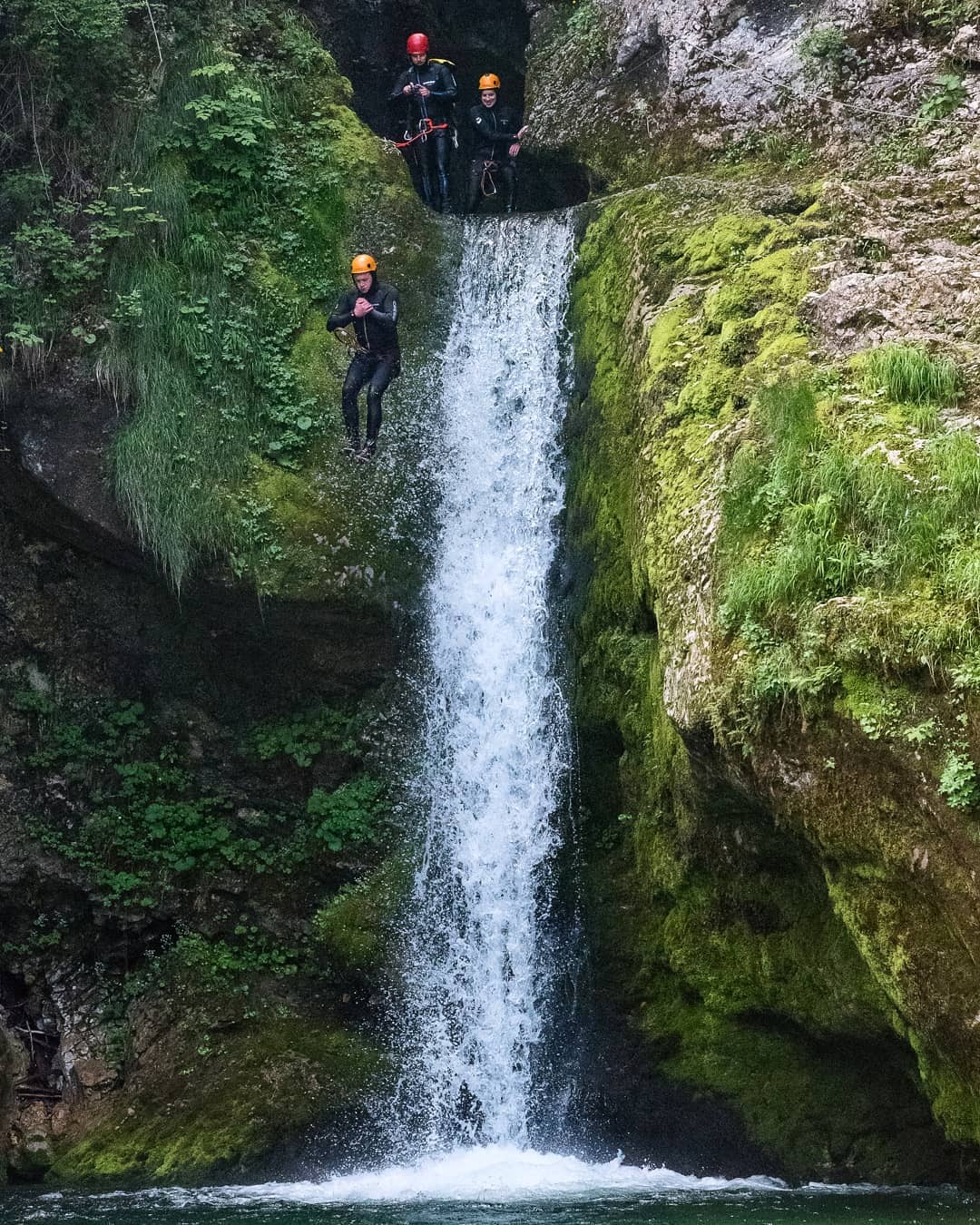
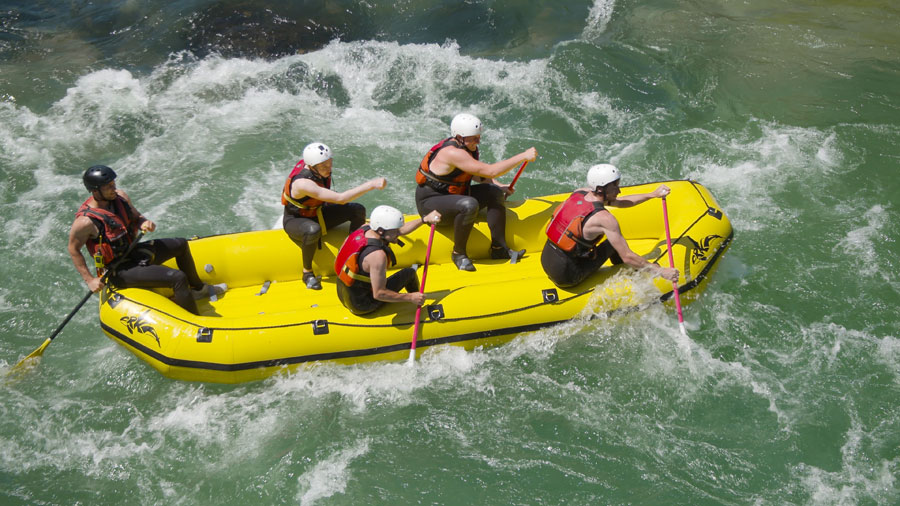
Photos: Gašper Finžgar
PARTNERS
In progress.
ORGANISING COMMITTEE, CONTACTS
Local Organizing Committee
E-mail: helpdesk@caverescue.eu
Robert Anžič
Phone: +386 40 889 229
Marko Zakrajšek
Phone: +386 41 810 090
Den Vrhovnik
Phone: +386 51 627 296
Samo Milanič
Phone: +386 51 651 808
Andrej Markun
Phone: +386 41 926 120
Dinko NOVOSEL
President of ECRA
Hrvatska Gorska Služba Spašavanja / HGSS, Croatia
E-mail: president@caverescue.eu
Phone: +385 91 517 94 31
Werner ZAGLER
Vice President of ECRA
Höhlenrettungsverbund Deutschland / HRVD, Germany
E-mail: vice-president@caverescue.eu
Phone: +49 151 750 41 557,
+49 89 856 1328 (landline)
Ewelina RACZYNSKA
General Secretary of ECRA
Cave Rescue Group, Poland
E-mail: general-secretary@caverescue.eu
Phone: +48 602 614 691
Giuseppe CONTI
Chairperson of the Technical Commission
Corpo Nazionale Soccorso Alpino e Speleologico / CNSAS, Italy
E-mail: technical-commission@caverescue.eu
Denes Akos NAGY
Chairperson of the Medical Commission
Hungarian Cave Rescue Service / HCRS, Hungary
E-mail: medical-commission@caverescue.eu
Robert ANZIC
Chairperson of the Cave-diving Commission
Jamarska Reševalna Služba Slovenije / JRS, Slovenia
E-mail: cavediving-commission@caverescue.eu
Werner ZAGLER
Chairperson of the Passage Enlargement Commission
Höhlenrettungsverbund Deutschland / HRVD, Germany
E-mail: pec@caverescue.eu
Pete ALLWRIGHT
Communications Working Group
ECRA (Honorary Member)
E-mail: communications@caverescue.eu
Antoniya VLAYKOVA
Responsible for ECRA web visibility
Cave Rescue Bulgaria / CRB, Bulgaria
E-mail: web@caverescue.eu